Destinations
Romantic Europe
Europe packs an astonishing variety of romance into a small space: a canal city at dawn, a village on a cliff above the sea, a castle in the mountains, all a train ride apart.
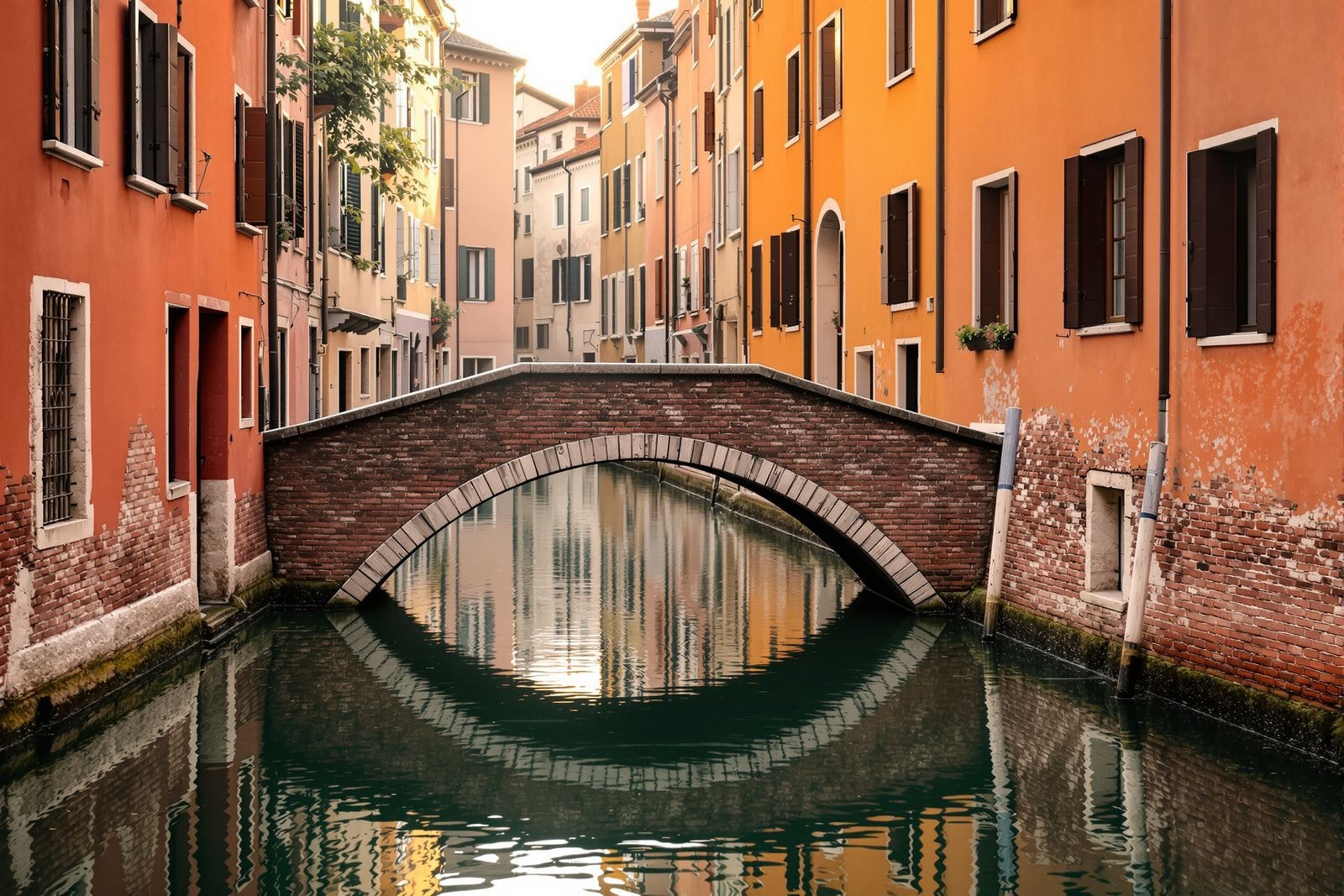
Europe has been the backdrop for romantic journeys for a very long time. The custom of a wedding trip itself grew up there, and the continent still offers some of the most beautiful places in the world to wander hand in hand. The pleasure of a European trip lies in contrast: you can move from a great old city to a fishing village, and from a vineyard to a mountain lake, without ever flying.
Canal cities
There is something about water running through a city that slows everyone down. Wikipedia describes Venice as built on a group of islands separated by open water and canals, set in the shallow Venetian Lagoon and linked by bridges. That description hints at why a canal city feels so different: there are no car horns, and getting anywhere means walking, crossing small bridges and getting a little lost.
To enjoy a canal city as a couple, stay at least two or three nights so that you see it early in the morning and late at night, when the day visitors have gone. Walk the quieter districts, sit by the water with a coffee, and save the most famous squares for the first hour of daylight. If you plan one splurge, make it a meal with a view of the water rather than a rushed tour.
Island villages above the sea
The Mediterranean and the Aegean are scattered with islands where white houses tumble down hillsides to the water. Wikipedia's article on Santorini describes a Greek island in the southern Aegean that is the largest of a small, circular archipelago formed by a volcanic caldera, with the town of Fira and the village of Oia among its settlements. Watching the evening light turn the cliffs gold from a terrace is one of Europe's great shared pleasures.
Popular islands can be crowded in high summer, especially at sunset viewpoints. Consider travelling in late spring or early autumn, when the sea is still warm enough for swimming and the lanes are quieter. Choose accommodation with its own terrace, and you can watch the sunset in peace instead of joining the crowds.
Castles and fairy-tale landscapes
Europe's castles speak to the storyteller in every couple. Some are sombre medieval strongholds; others were built much later purely to delight. Wikipedia's article on Neuschwanstein Castle describes a nineteenth-century historicist palace on a rugged hill in the foothills of the Alps in the far south of Germany. Seeing a castle like that rising above the forest on a misty morning is the kind of moment that makes a trip.
If castles are your passion, you may also enjoy the castle and Renaissance-faire weddings feature, which explores what castles really were and why they still feel so romantic.
Countryside and small towns
Some of the best European trips avoid the big names entirely. Rolling vineyards, hill towns built around a single square, lakes ringed by mountains and coastal villages where the day revolves around the harbour all make wonderful bases. A small inn with a garden, a bicycle, and a long lunch can be more romantic than any famous sight. If that appeals, read the guide to B&Bs and country inns for two.
Getting around by rail
Trains are one of Europe's great romantic pleasures. Watching the landscape roll by, sharing a picnic, and arriving in the heart of a city rather than at a distant airport all add to the trip. A few suggestions:
- Keep the number of bases small. Two or three places in a week or ten days feels relaxed; five feels like a tour.
- Travel light. Carrying heavy cases up station steps and onto crowded trains quickly takes the romance out of a journey.
- Reserve seats on popular long-distance routes, particularly at busy times of year.
- Build in one day with no travel at all after every two or three days on the move.
Choosing the season
Summer brings the longest days and the warmest seas, but also the biggest crowds and the highest prices in the famous places. Spring brings flowers and mild weather; autumn brings harvests, warm seas in the south and softer light. Winter has its own romance in the cities and the mountains, with fewer visitors, cosy evenings and, in places, snow. Match the season to your priorities: swimming, walking, food, or simply quiet.
Crossing time zones
For travellers arriving from another continent, the first day in Europe can feel strange. Plan something gentle, get outside in the daylight, and keep to local mealtimes. The guide to jet lag and sleep explains why your body clock needs time to adjust, and why a relaxed first day is part of a good honeymoon plan rather than a waste of one.
Europe is best enjoyed slowly. Choose fewer places, stay longer in each, and leave room for the unplanned: the side street, the café that looks inviting, the view you only find because you took a wrong turn together.