Honeymoons & romance
Honeymoons: everything you need to know
After months of planning a wedding, the honeymoon is the trip that belongs to just the two of you. Here is how to make it everything you hoped for.
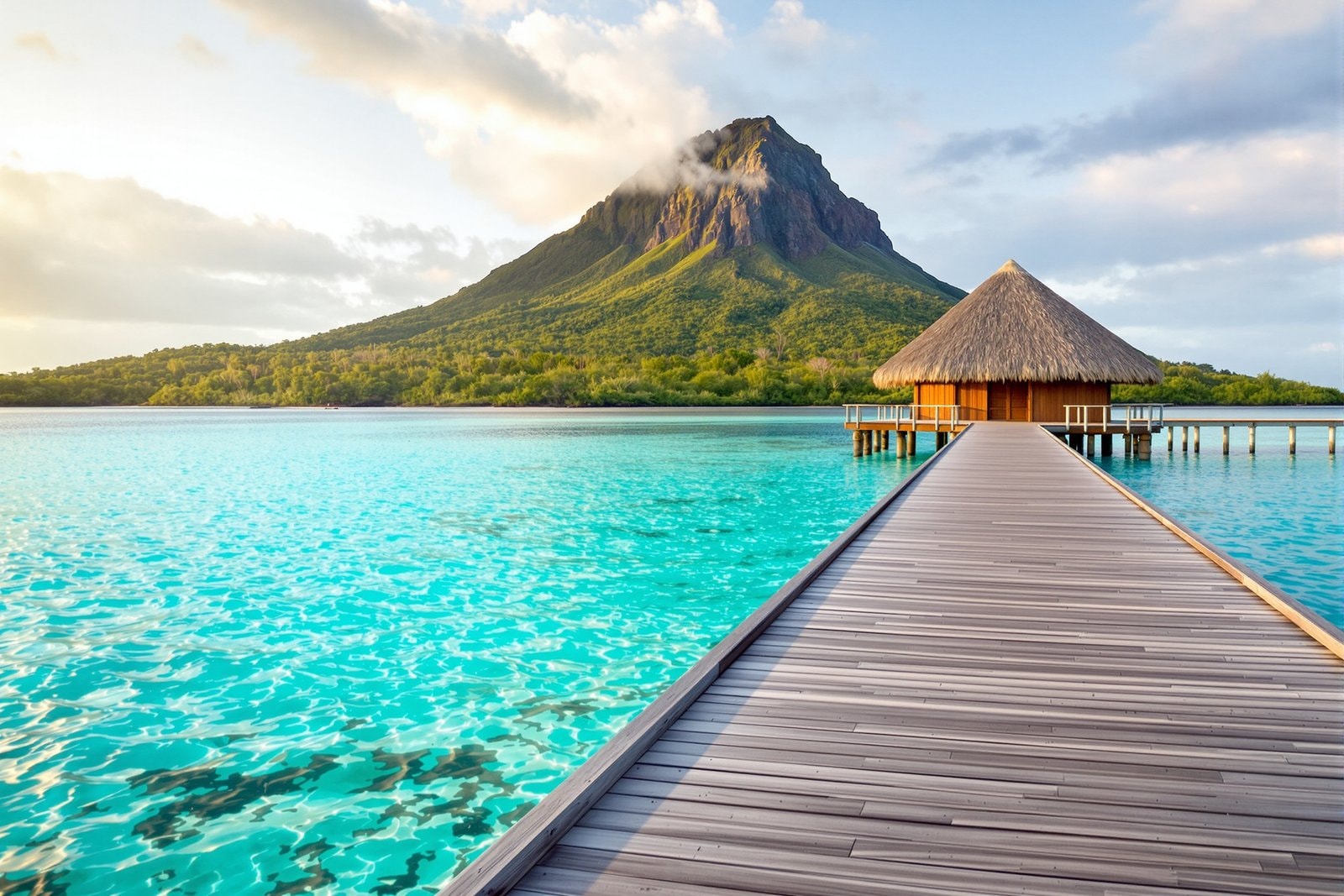
The honeymoon is one of the most eagerly anticipated trips of a lifetime. It is a chance to rest after the whirlwind of a wedding, to celebrate, and to begin married life somewhere memorable. It also comes at a time when energy, attention and money have often been poured into the wedding itself, which is why a little forethought makes such a difference.
Where the word and the custom come from
Wikipedia's article on the honeymoon describes it as a vacation taken by newlyweds after their wedding to celebrate their marriage, and notes that today honeymoons are often spent in destinations considered exotic or romantic. The custom of a newly married couple travelling together, it explains, began in early nineteenth-century Britain, when upper-class couples took a "bridal tour", sometimes accompanied by friends or family, to visit relatives who had not been able to attend the wedding. The practice spread to the European continent, where in France it was known as a voyage in the English fashion.
Honeymoons in the modern sense, a pure holiday for the couple, became widespread in the late nineteenth century as one of the first instances of modern mass tourism. As for the word itself, the same article suggests it may allude to the idea that the first month of marriage is the sweetest, and quotes a dictionary definition comparing the affection of newlyweds to the changing moon, which is no sooner full than it begins to wane. A slightly wistful origin for such a joyful tradition.
Choosing a style
There is no single right kind of honeymoon. Think about what the two of you need after the wedding:
- Rest. A beach, a lagoon or an all-inclusive resort, with nothing to plan and nowhere to be.
- Adventure. A safari, a road trip, hiking in the mountains or exploring a new continent.
- Culture. Great cities, museums, food and history.
- A mix. A few active days followed by a few restful ones is a favourite combination.
If you disagree, compromise by splitting the trip, or take turns choosing the activities each day. The destination index can help you match your style to a region.
Timing
Many couples leave straight after the wedding, riding the excitement. Others wait a day or two to rest, pack properly and say goodbye to guests. Some delay the honeymoon by weeks or months, to travel in a better season, to save money or to give themselves something to look forward to once the wedding is over. Consider the weather at your destination at the time you plan to go, and avoid the busiest holiday periods if you want peace and quiet.
Budgets
Decide on a budget early, ideally at the same time as the wedding budget, so that the honeymoon is not squeezed by last-minute wedding costs. Think about the big costs, flights and accommodation, and the smaller ones that add up: meals, excursions, transfers, tips and souvenirs. Choose one or two things to splurge on, perhaps a special room for part of the trip or a memorable dinner, and be sensible about the rest.
Minimoons and elopements
Not every couple can take a long trip straight after the wedding. A "minimoon" is a short break of a few days, often somewhere close to home, taken soon after the wedding, with a longer honeymoon later. It gives you a chance to rest and celebrate without the pressure of a big trip.
Some couples go further and combine wedding and honeymoon in one small, private trip. Wikipedia's article on elopement notes that the word originally described a sudden, secretive marriage, often without parental approval, but that in modern times it is sometimes applied to any small, inexpensive wedding, even one performed with the family's knowledge. For couples who want to avoid a big wedding altogether, a planned elopement can be a beautiful beginning.
Travel insurance
A honeymoon is often a significant investment, planned months in advance, so it is worth protecting. Wikipedia's article on travel insurance explains that basic policies generally cover only emergency medical expenses while overseas, while comprehensive policies typically include cover for trip cancellation, lost luggage, flight delays and other expenses. Read the terms carefully, check what is excluded, and choose cover that fits the kind of trip you are taking.
Making it special
- Tell your accommodation you are on your honeymoon. Many places like to mark the occasion.
- Leave work behind. Set out-of-office messages and agree how often, if at all, you will check them.
- Do not over-schedule. Some of the best moments come from lazy mornings and unplanned afternoons.
- Give yourselves time to recover from the wedding and the journey. The guide to jet lag and sleep explains why the first couple of days after a long flight should be gentle.
- Keep a small journal, or write each other a note to open on your first anniversary.
Above all, remember that the honeymoon is not a test to be passed. It is time together. If the weather turns or plans change, the two of you are still on your honeymoon, and that is what matters. For practical advice on packing, documents and budgets, see romantic travel tips.