Weddings
Planning a destination wedding
Marrying somewhere beautiful, surrounded by the people you love, and walking straight into your honeymoon. A destination wedding can be a dream, with a little more planning than one at home.
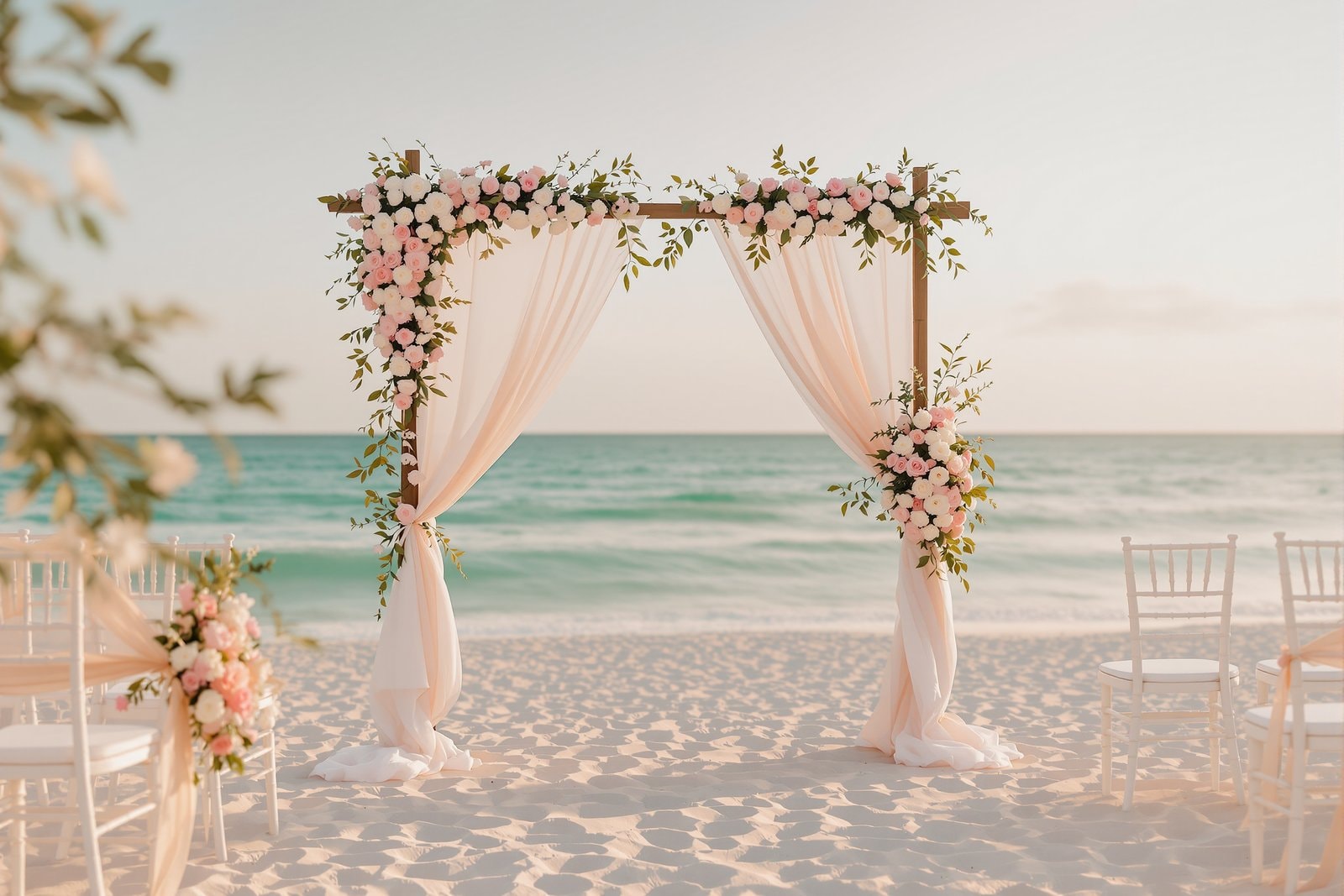
A destination wedding turns a single day into a shared journey. Instead of a few hours in a reception hall, you and your guests spend several days together somewhere special, and the celebration flows naturally into your honeymoon. Many couples also find that a wedding away from home is more intimate and less stressful, because the guest list tends to be smaller and the setting does much of the decorating for you.
It does bring its own challenges: distance, paperwork, unfamiliar suppliers and guests who need to travel. This guide walks through the main decisions in the order most couples face them.
Weddings everywhere look different
Wikipedia's article on the wedding notes that wedding traditions and customs vary greatly between cultures, religions and countries, and that most ceremonies involve an exchange of vows, the presentation of a gift such as rings or flowers, and a public proclamation of marriage by an authority figure or celebrant. When you marry abroad, you will be working within the customs and rules of another place, which is part of the adventure and part of the planning.
Step one: choose the place
Start with the kind of wedding you want. A barefoot ceremony on the sand suggests a beach. A candlelit dinner in an old hall suggests a castle or a country estate. A small gathering in a vineyard suggests wine country. Then think practically:
- How easy is it for your guests to get there? A single direct flight is much easier than two connections and a ferry.
- What is the weather like on your chosen date? Consider rain, heat, wind and, in the tropics, the storm season.
- Can you marry legally there, or would a legal ceremony at home work better? See where to marry.
- Is there a range of accommodation to suit guests with different budgets?
Step two: guests and timing
Destination weddings usually have smaller guest lists, and that is often part of the appeal. Be realistic: travelling to a wedding costs guests money and holiday time, and some who would come to a wedding at home may not be able to join you. Tell people early, ideally many months ahead, so that they can plan, save and request time off. A save-the-date note with the location and approximate dates is a kindness.
Consider the length of the stay. Many couples plan a welcome gathering the evening before the wedding and a relaxed farewell breakfast the day after, giving guests a reason to make the trip worthwhile.
Step three: the budget
A destination wedding can cost less than a large wedding at home, or much more, depending on choices. Agree on a total early and list the main costs: the ceremony, the reception, flowers, photography, music, your own travel and accommodation, and any events for guests. Decide what you will pay for and what guests will cover themselves, and be clear about it. Keep a reserve for the unexpected, especially exchange-rate changes and last-minute extras.
Step four: working with a local planner
Planning a wedding from far away is much easier with someone on the ground. Wikipedia's article on the wedding planner describes an event planner who assists with the design, planning and management of a wedding, and notes that planners are popular with couples planning a destination wedding, where the documentation and paperwork can be complicated. A good local planner knows the suppliers, speaks the language, understands local customs and can visit places on your behalf.
When choosing one, ask how many weddings they have organised in the area, how they communicate across time zones, what is included in their fee, and how they handle problems on the day. Ask to see a detailed timeline and a clear written agreement.
Step five: the paperwork
This is where destination weddings differ most from weddings at home. Wikipedia's article on the marriage license explains that a marriage licence is a document authorising a couple to marry, and that the procedure for obtaining one varies between jurisdictions and has changed over time. Some places make it easy for visitors to marry; others require documents, translations, notices or residency.
Marriage rules differ from place to place and they change. Confirm the current requirements with the officials of the place where you will marry and with your own government before you book anything.
Many couples solve the problem by marrying legally at home, perhaps quietly at a registry office, and then holding their ceremony abroad as a celebration. The where to marry guide explains the options in more detail.
Step six: etiquette for travelling guests
- Share clear information early: dates, how to get there, where to stay and what to pack.
- Be understanding if people cannot come. Travel is a big ask.
- Do not expect expensive gifts from guests who have paid to travel. Their presence is the gift.
- Plan time to spend with guests, but keep some time for yourselves.
- A small welcome note or local treat in each guest's room is a thoughtful touch.
From wedding to honeymoon
One of the great joys of a destination wedding is that the honeymoon can begin the moment the last guest leaves. Some couples stay on at the same place; others move somewhere quieter nearby. For ideas, see honeymoons: everything you need to know. And if you prefer a quick, fun and simple ceremony, Las Vegas weddings offer a very different kind of destination wedding.