Destinations
The Caribbean for two
Warm water, soft light and hundreds of islands to choose between. The trick is matching the island to the trip the two of you actually want.
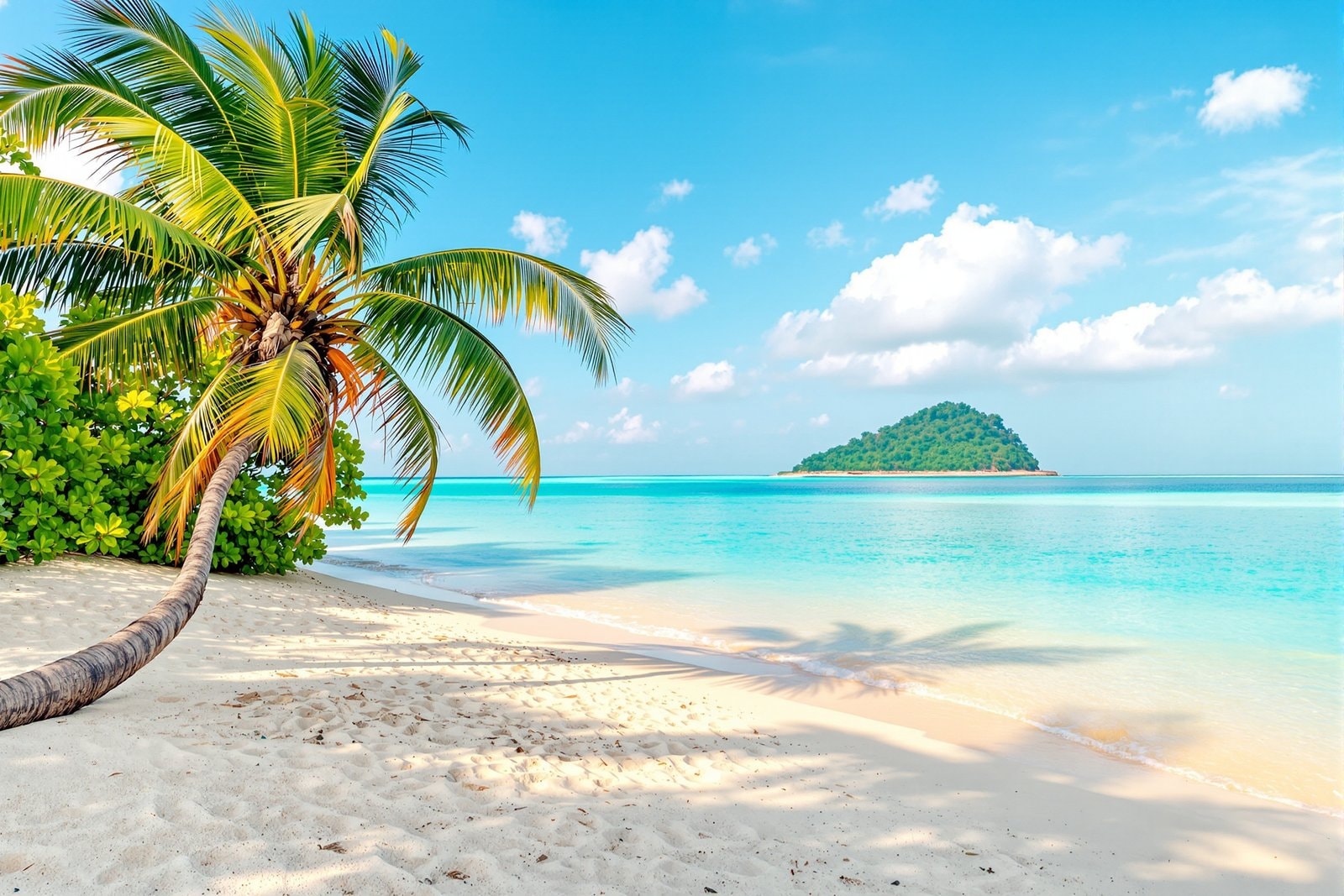
Few places carry the word "honeymoon" as comfortably as the Caribbean. The sea is warm enough to swim in for most of the year, the evenings are long and golden, and nearly every island has at least one stretch of sand where you can walk for an hour without seeing more than a handful of other people. But the region is far more varied than the postcards suggest, and couples who pick an island by photograph alone often find themselves somewhere lovely that is not quite right for them.
Wikipedia's overview of the Caribbean describes a region of thousands of islands, islets, reefs and cays, with the larger Greater Antilles to the north and the long chain of the Lesser Antilles curving to the east and south. That geography is the best place to start, because the size of an island shapes almost everything about a stay there.
Big islands, small islands
A large island gives you choice. There are mountains to drive into, towns with markets and music, several coasts with different moods, and room for both a lively resort strip and a quiet cove at the far end of the island. If one of you gets restless after two days on a lounger, a big island is the safer bet. The trade-off is distance: getting from the airport to a secluded corner can take much of an afternoon, and the busiest beaches can feel like any other beach resort in the world.
A small island asks you to slow down. There may be one road, a few restaurants that everyone ends up visiting, and evenings that end early. For a couple who want nothing more than swimming, reading, long lunches and a sunset drink, that simplicity is the whole point. Getting there usually means a connecting flight or a ferry, so allow a buffer day in case of delays, and pack anything you cannot live without.
Heritage you can taste and hear
The islands were shaped by different European powers, and that history is still visible in language, food, architecture and the rhythm of a day. French-speaking islands tend to have bakeries, long lunches and a certain formality at dinner. English-speaking islands may feel more familiar to many visitors, with cricket grounds and village churches. The Dutch-influenced islands have their own character: Wikipedia notes that Curaçao is an island country within the Kingdom of the Netherlands, with its capital at Willemstad and Papiamento, Dutch and English as official languages. Walking a colourful waterfront there feels quite different from strolling a French market town a few islands away.
Some islands are known for dramatic landscapes rather than long beaches. Saint Lucia, for example, is described as a volcanic and very mountainous island whose most famous landmark is the Pitons, two mountainous volcanic plugs rising from the coast. If the two of you like a view with your breakfast and a hike before lunch, a mountainous island will suit you better than a flat one ringed with sand.
Beaches, reefs and the water itself
Think about what you want from the sea. Some coasts face open ocean and have rolling surf, good for walking and watching but not always for swimming. Others sit inside a reef, with calm, clear water that is ideal for floating and snorkelling. Ask your accommodation which beach is best for swimming at the time of year you are visiting, because conditions can change with the wind.
Beach safety deserves a moment of attention even on a relaxed trip. The US National Weather Service's rip current safety guidance says to check the local beach forecast and talk to the lifeguard before going in, to swim only at beaches with lifeguards, and to remember that rip currents often form on calm, sunny days. A quiet, unguarded cove may be beautiful for a picnic and still be the wrong place for a long swim.
When to go, and the storm season
The Caribbean is a year-round destination, but the months are not all the same. The drier, breezier part of the year tends to be the busiest and the most expensive. The shoulder months can offer quieter beaches and easier reservations, with the chance of more showers. Late summer and autumn bring the greatest chance of tropical storms.
The Atlantic hurricane season brings a real chance of storms to the Caribbean in late summer and autumn, and the US National Weather Service's hurricane safety page states that the Atlantic hurricane season runs from June 1 to November 30 each year, so if you travel in those months, watch the forecasts and know what you would do if a storm is coming. That might mean choosing a flexible booking, understanding what your travel insurance covers, and keeping your documents and a small bag ready. None of this needs to spoil a trip; it simply means going in with your eyes open.
Matching the island to the two of you
Before you fall for a photograph, try answering a few questions together:
- Do you want to explore, or do you want to stay put? Explorers are happiest on larger islands; loungers on smaller ones.
- How much travel are you willing to do on arrival day? A long connection can eat into a short trip.
- Is snorkelling a priority? Look for sheltered, reef-protected water.
- Do you want lively evenings or early nights and stars?
- Would you rather have everything included, or eat out at small local places?
If the idea of never reaching for a wallet appeals, read the guide to all-inclusive and couples-only resorts before you decide. If you are planning to marry on a beach rather than simply honeymoon on one, the destination wedding planning guide covers the paperwork and timing you will need to think about.
And whichever island you choose, keep one evening free for watching the sun go down over open water. With a clear horizon and a little luck, you may even see the famous green flash at the moment the sun disappears, a small, fleeting reward for a couple who took the time to watch.