Travel tips
Arriving rested: jet lag, sleep and your body clock on a long trip
The first days of a long-haul honeymoon should feel magical, not foggy. Understanding a little about your body clock helps you plan a trip that leaves room to catch up.
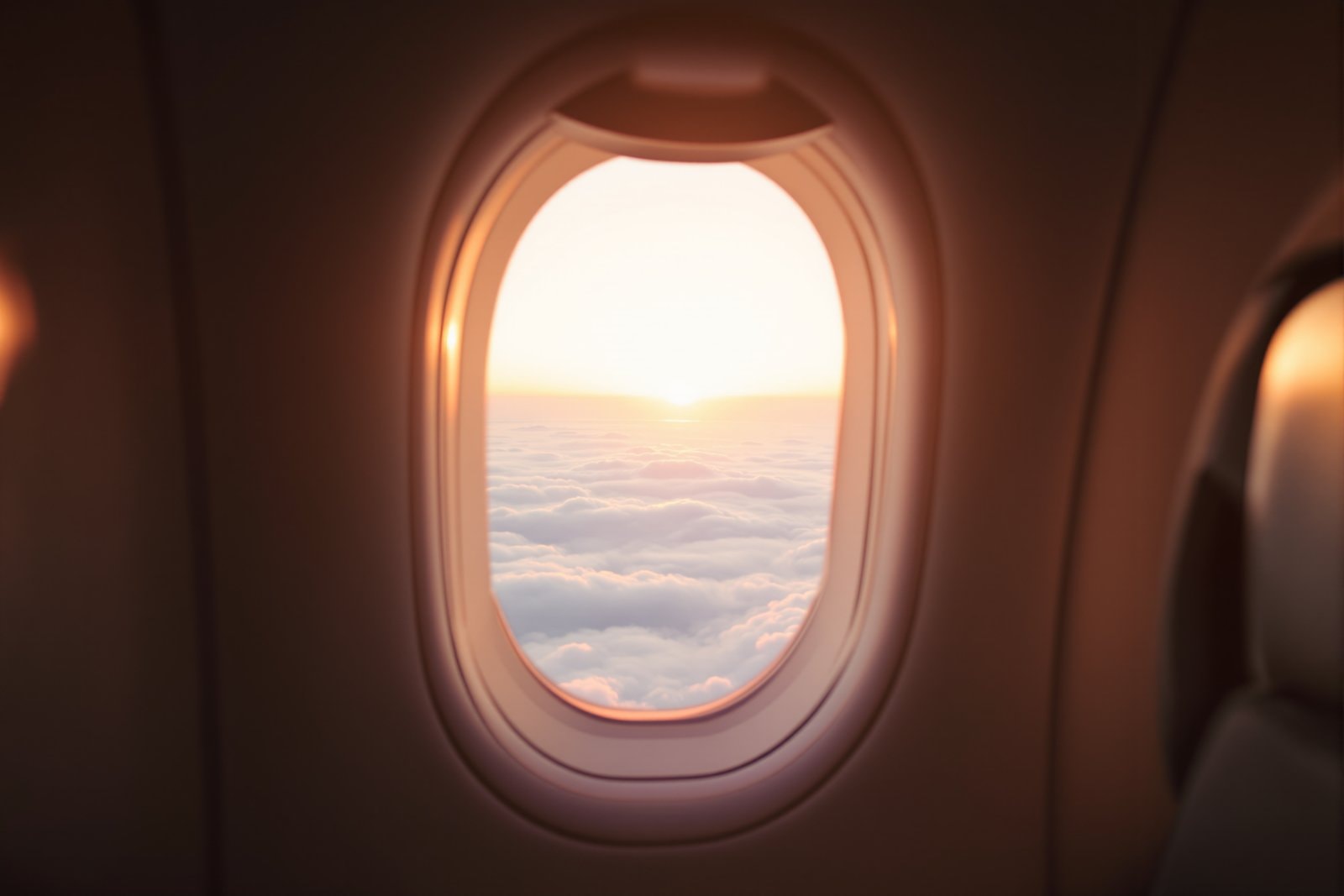
This page is general information, not medical advice.
A long flight to a far-off honeymoon destination is exciting, but many travellers arrive feeling strangely out of step: wide awake at midnight, drowsy at lunchtime, hungry at odd hours. It is not a sign that anything has gone wrong. It is your body's timekeeping catching up with the clock on the wall. Knowing why it happens makes it easier to plan a trip that is kind to both of you.
Your body keeps time
The body runs on rhythms. The National Institute of General Medical Sciences explains that circadian rhythms include some of the physical, mental and behavioural changes an organism experiences over a 24-hour cycle, and that light and dark have the biggest influence on them, though food intake, stress, physical activity, social environment and temperature also affect them. It describes how these rhythms influence important functions in the human body, such as sleep patterns, appetite and digestion, and temperature, and explains that a master clock in the brain coordinates the biological clocks throughout the body.
The National Heart, Lung, and Blood Institute's page on how sleep works puts it simply: sleep is a period of rest that alternates with wakefulness, and internal body clocks control when you are awake and when your body is ready for sleep. It notes that these clocks are regulated by factors including light, darkness and sleep schedules.
Why sleep matters on a trip
MedlinePlus's page on healthy sleep explains that while you are sleeping your brain and body functions are still active, and that certain phases of sleep help you feel rested and energetic the next day. For honeymooners, that is reason enough to protect sleep: the days ahead are ones you want to be fully awake for.
What jet lag is
Wikipedia's article on jet lag describes it as a temporary physiological condition that occurs when a person's circadian rhythm is out of sync with the time zone they are in, typically after travelling rapidly across multiple time zones. The article explains that how quickly the body adjusts depends on the individual as well as on the direction of travel, with some people needing several days and others experiencing little disruption. It also notes that jet lag is linked only to distance travelled along the east–west axis, so a long flight that runs mainly north to south does not in itself cause it, though travel fatigue may still occur.
In other words, your inner clock is still keeping home time while the sun, the meals and the people around you have moved on. Until the two line up again, days can feel slightly out of tune.
The ordinary things travellers do
There is no trick that makes the adjustment instant, and this guide suggests none. What travellers commonly do is simply make the transition gentle:
- Plan the first day or two lightly. Save the big excursions for later in the trip.
- Get outside in daylight at your destination. Light and dark are the strongest signals your body clock receives, as the NIGMS page explains.
- Keep to local mealtimes and bedtimes as far as you comfortably can.
- Drink water. MedlinePlus explains that dehydration is a condition caused by the loss of too much fluid from the body, when you lose more fluids than you take in. Long days of travel in dry cabin air and warm destinations make it easy to forget to drink.
- Get up and move on long flights. MedlinePlus's page on deep vein thrombosis notes that sitting still for a long time can make you more likely to get a DVT, and its traveler's health page notes that a long flight can increase your risk for deep vein thrombosis. Stretching your legs in the aisle from time to time is a habit many travellers keep.
If you have a health condition, are pregnant, or are unsure whether a long trip is right for you, talk to a health care provider before you go; the MedlinePlus traveler's health page is a sensible place to start reading.
Leave room in the honeymoon itinerary
The most common honeymoon mistake on a long-haul trip is scheduling the highlight for the first morning. A sunrise excursion the day after a long flight, or a special dinner on the evening you land, can end up a blur. Instead, think of the first day as a soft landing: a walk, a swim, an early dinner and an early night. Put the sunset cruise, the big hike or the proposal on the third or fourth day, when you are both ready to enjoy it. The honeymoon guide covers pacing the whole trip, and the guide to the South Pacific, Asia and Australia looks at long-haul destinations where this matters most.
Build the same thinking into the journey home. A day or two at home before returning to work gives your body time to catch up once more, and lets the glow of the trip last a little longer.
Small comforts for the journey
- Pack a light layer, since cabins and airports can be cool.
- Bring an eye mask and earplugs if you like to rest in transit.
- Set your watch to destination time when you board, to start thinking in local hours.
- Choose a first night's room where you can check in early or rest on arrival.
For more on packing, documents and staying well on the road, see romantic travel tips. Arriving rested is not glamorous, but it may be the most romantic thing you plan.