Bridal
Wedding dresses: a short history of the white gown
The white wedding dress feels timeless, but it is younger than many people think. Its story takes in royal fashion, changing customs and, for destination brides, some very practical questions about heat and suitcases.
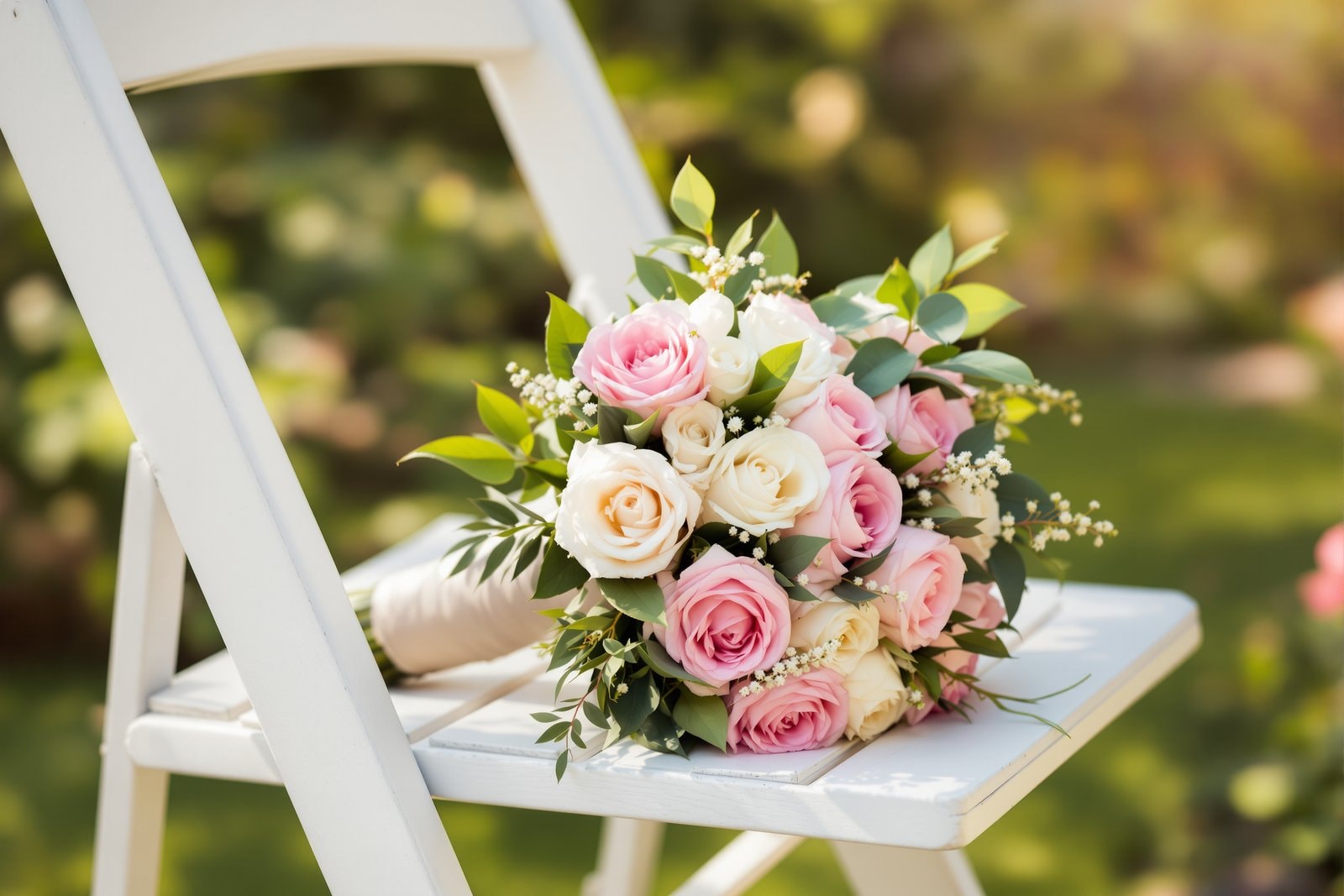
Of all the elements of a wedding, the dress probably attracts the most attention. For many brides, finding the right one is a highlight of the planning, and the moment of walking down the aisle in it is one they remember for the rest of their lives. The white gown now seems like the natural choice for a Western wedding, but that tradition has a history of its own.
How white became the custom
Wikipedia's article on the wedding dress explains that in Western culture the wedding dress is most commonly white, a tradition popularised by elites in the Victorian era after a royal bride wore white at her own wedding. Before that era, brides married in any colour; the article notes that black was popular in Finland. Illustrations of that royal wedding were widely published, and wealthy brides began to follow the example.
The same article notes that since the middle of the twentieth century white has been the dominant colour for Western wedding dresses, though "wedding white" includes shades such as eggshell, ecru and ivory. So a bride choosing a soft ivory rather than a stark white is still firmly within the tradition.
Colours around the world
White is far from universal. According to Wikipedia, in Eastern cultures such as Chinese and Indian cultures, brides often wear red to their weddings to symbolise auspiciousness. Around the world, wedding clothing may be embroidered, jewelled, layered or brightly coloured, and many couples today mix traditions, perhaps wearing one outfit for the ceremony and another for the celebration. The guide to theme weddings looks at borrowing customs respectfully.
Famous dresses as history
Some wedding dresses become part of history. One of the most famous of all was worn at a royal wedding in London. Wikipedia's article on the wedding dress of Lady Diana Spencer describes it as an ivory silk taffeta and antique lace gown with a 25-foot train, worn at her wedding to Charles, Prince of Wales, at St Paul's Cathedral, and notes that it became one of the most famous dresses in the world and was considered one of the most closely guarded secrets in fashion history. For more about that day as a public event, see famous weddings.
Famous dresses are fun to admire, but fashions change, and a dress chosen purely to follow a trend can date quickly. The dresses that look best in photographs years later are usually the ones in which the bride looked most like herself.
Choosing a dress for a destination wedding
If you are marrying far from home, the dress needs to travel and to suit the setting. Some things to consider:
- Heat and humidity. Heavy satin, many layers and long sleeves can be uncomfortable on a tropical beach. Lighter fabrics such as chiffon, organza, crepe or cotton lace breathe better.
- Length and train. A long train looks stunning in a cathedral aisle, but drags through sand and gathers grass. A shorter hem or a detachable train may be more practical outdoors.
- Wind. Beaches and clifftops can be breezy. Consider how a veil and a flowing skirt will behave in the wind.
- Footwear. Heels sink into sand and grass. Flat sandals or bare feet may suit a beach better.
- Travelling with the dress. Ask the shop how best to pack it. Many brides carry the dress on the plane rather than checking it. Check with the airline about carrying a garment bag, and plan time to have it steamed on arrival.
- Local customs. If marrying in a religious building abroad, check whether there are expectations about covering shoulders or arms.
Dresses for the rest of the wedding party
Guests and attendants travelling to a destination wedding appreciate clear guidance on dress. Suggest fabrics and styles that suit the climate, and be understanding if people need to wear something they already own.
The groom's clothes
Grooms face the same questions about climate. A dark wool suit that works at a winter wedding at home can be stifling on a tropical afternoon. Linen, cotton and lightweight blends in lighter colours are more comfortable in the heat.
After the wedding
Some couples take the dress on the honeymoon for a photo session somewhere beautiful. Others have it cleaned and stored, or pass it on. Whatever you decide, a wedding dress is part of the story of the day. Choose one you love, that lets you move, dance and breathe, and that suits the place where you will say your vows.
For the other traditions of the day, see the wedding cake and wedding music.