Honeymoons & romance
Hawaii for two: a few words of Hawaiian
Hawaii is more than a beautiful beach. It is a place with its own language and culture, and learning a little of that language is one of the most rewarding things a visiting couple can do.
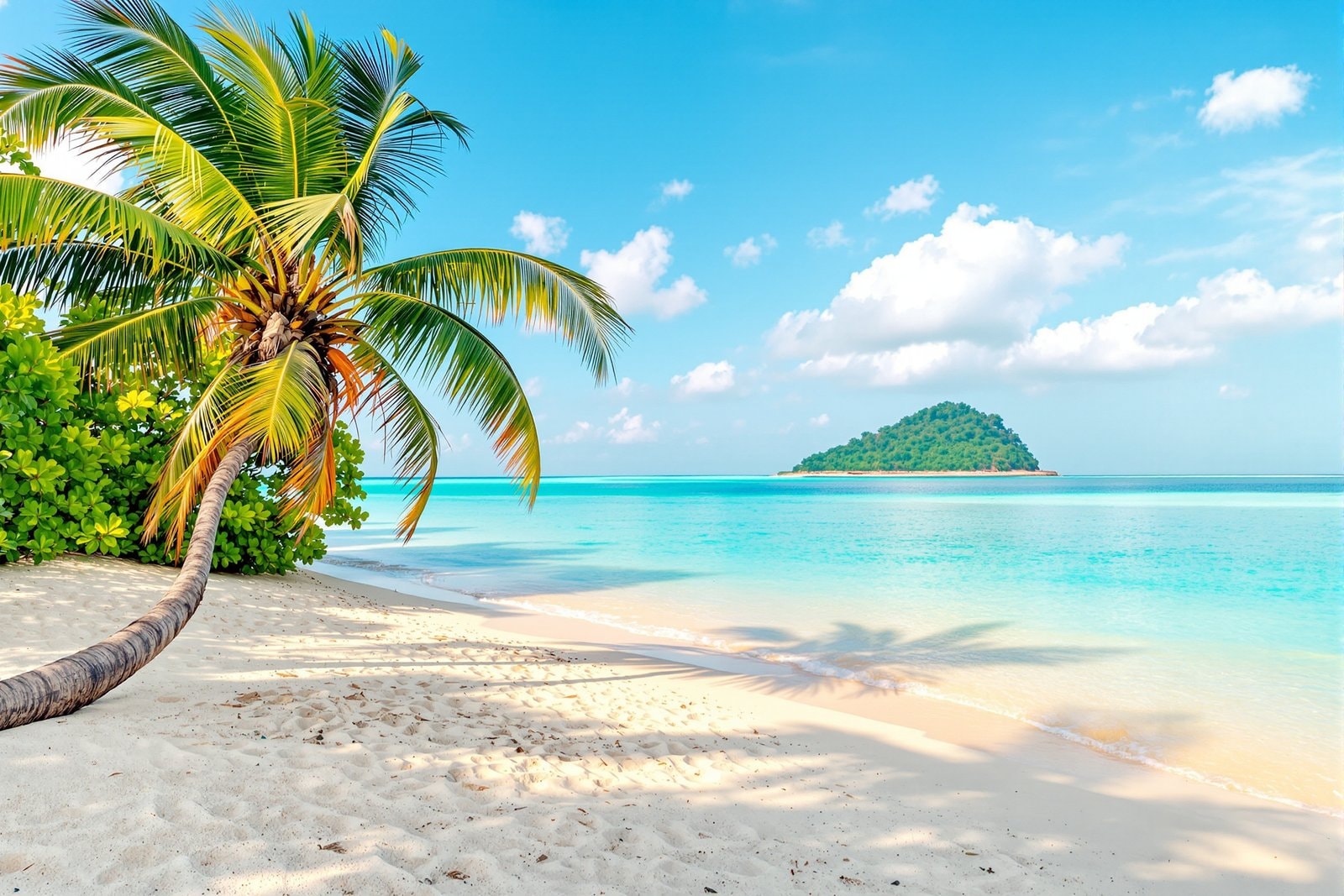
For many couples, Hawaii is the dream honeymoon: warm water, volcanic mountains, waterfalls, rainforest and some of the most beautiful sunsets in the Pacific. But the islands are also home to a living culture and an indigenous language with a long and moving history. Taking the time to learn a little about it will deepen your trip and show respect to the people whose home you are visiting.
The Hawaiian language
Wikipedia's article on the Hawaiian language describes Hawaiian, or ʻōlelo Hawaiʻi, as a Polynesian language of the Austronesian family, originating in and native to the Hawaiian Islands, and the historic native language of the Hawaiian people. It notes that Hawaiian, along with English, is an official language of the U.S. state of Hawaii, but that the language is classified as critically endangered by UNESCO, and that a creole known as Hawaiian Pidgin is more commonly spoken in the islands than Hawaiian itself.
The same article describes a revival of the language and of Hawaiian culture since the Hawaiian renaissance, and efforts to promote the language through immersion schooling. Hearing Hawaiian spoken, sung or written on signs around the islands is part of that story.
A handful of words
These words and meanings all come from Wikipedia's article on the language. They are a small starting point, not a phrasebook, but they open a window onto how Hawaiian works.
- ʻōlelo Hawaiʻi is the name of the Hawaiian language in Hawaiian.
- ʻokina is the modern Hawaiian name for the letter that marks a glottal stop, the small break in sound written as a turned apostrophe. The article explains that the word combines ʻoki, "cut", with -na, "-ing".
- ʻuʻina, meaning "snap", is the older name for that same letter.
- kou and koʻu show why the ʻokina matters: the article notes that early printers used it to tell apart kou, "your", from koʻu, the possessive for the speaker. A single small mark changes whose something is. For a couple, that is a lovely lesson in how much small things matter.
- Pūnana Leo appears in the name of a Hawaiian-language preschool programme; the article gives its meaning as "language nest".
The article also notes that the ʻokina appears in the names Hawaiʻi and Oʻahu, where it marks a glottal stop in the spoken word. Writing it, and trying to pronounce it, is a small sign of respect.
Using Hawaiian respectfully
- Listen first. Notice how local people use Hawaiian words in everyday speech, on signs and in place names.
- Learn place names. Try to pronounce the names of the places you visit properly, including the ʻokina.
- Do not treat the language as a costume. Hawaiian is not a novelty; it is a language that its speakers fought to keep alive.
- Ask when unsure. Most people will be glad to help a visitor who is making a genuine effort.
- Learn some history. Understanding the story of the language and the islands adds depth to every place you visit.
Honeymooning in Hawaii
Hawaii offers extraordinary variety for couples. Each island has its own character, from lively beaches and cities to quiet coastlines, rainforests and volcanic landscapes. Many honeymooners visit two islands, pairing a busier one with a quieter one. Because Hawaii is part of the United States, it can be an easy tropical honeymoon for American couples, with no passport needed; see romantic getaways in the USA for more ideas close to home.
For visitors from far away, Hawaii may involve a long flight and several time zones. The guide to jet lag and sleep explains how to plan the first days gently.
Beach safety
Hawaii's beaches are beautiful, but the ocean here can be powerful, and conditions vary greatly between beaches and seasons. The US National Weather Service's rip current safety guidance advises checking the local beach forecast and talking to the lifeguard before going in, swimming only at beaches with lifeguards, and remembering that rip currents often form on calm, sunny days. A quiet, empty beach may look inviting, but there may be a good reason nobody is swimming there.
Sunsets and slow evenings
Many of Hawaii's west-facing beaches offer spectacular sunsets over the Pacific. Settle in with a view of the horizon and you may even see the fleeting green flash as the sun disappears. It is a perfect ending to a day in the islands, and a fine moment to try out the few words of Hawaiian you have learned together.