Travel tips
Romantic travel tips: planning, packing and saving
The most romantic trips are often the best organised. A little preparation clears away the small frustrations, leaving more room for the moments that matter.
Romance and logistics might not seem like natural partners, but anyone who has spent a honeymoon evening searching for a lost passport or arguing about a missed connection knows how closely they are linked. Good planning is not unromantic. It is what frees you to relax, wander and enjoy each other once you arrive.
Build the trip around the two of you
Before choosing a destination, talk about what each of you wants. One of you may crave beaches while the other longs for mountains; one may want to see everything, the other to see nothing at all. Make a list each, compare, and look for the overlap. If you cannot agree, split the trip or take turns choosing daily activities. The destination index can help you match your styles to a region.
Be realistic about pace. Couples often overestimate how much they can fit in. Build in unscheduled time: a free afternoon, a lazy morning, an evening with no plans. These are often when the most romantic moments happen.
Budgeting together
- Agree on a total before you start booking, including a margin for the unexpected.
- Decide what matters most. Put money into the one or two things you will remember, such as a special room, a memorable meal or an unforgettable excursion, and economise elsewhere.
- Remember the hidden costs: transfers, baggage fees, tips, resort charges, visas, travel insurance and the rising cost of eating at hotels.
- Travel off-peak if you can. Shoulder seasons often bring lower prices and fewer crowds.
- Keep a shared record of spending during the trip, so that there are no surprises at the end.
Documents
Check passports well before you travel, since some countries require a passport to remain valid for some time beyond your stay. If one of you has recently married and changed names, make sure the name on your tickets matches the name on your travel documents. Research visa and entry requirements for every country on your route. Keep copies of important documents separate from the originals, and store digital copies securely.
Packing and carry-on rules
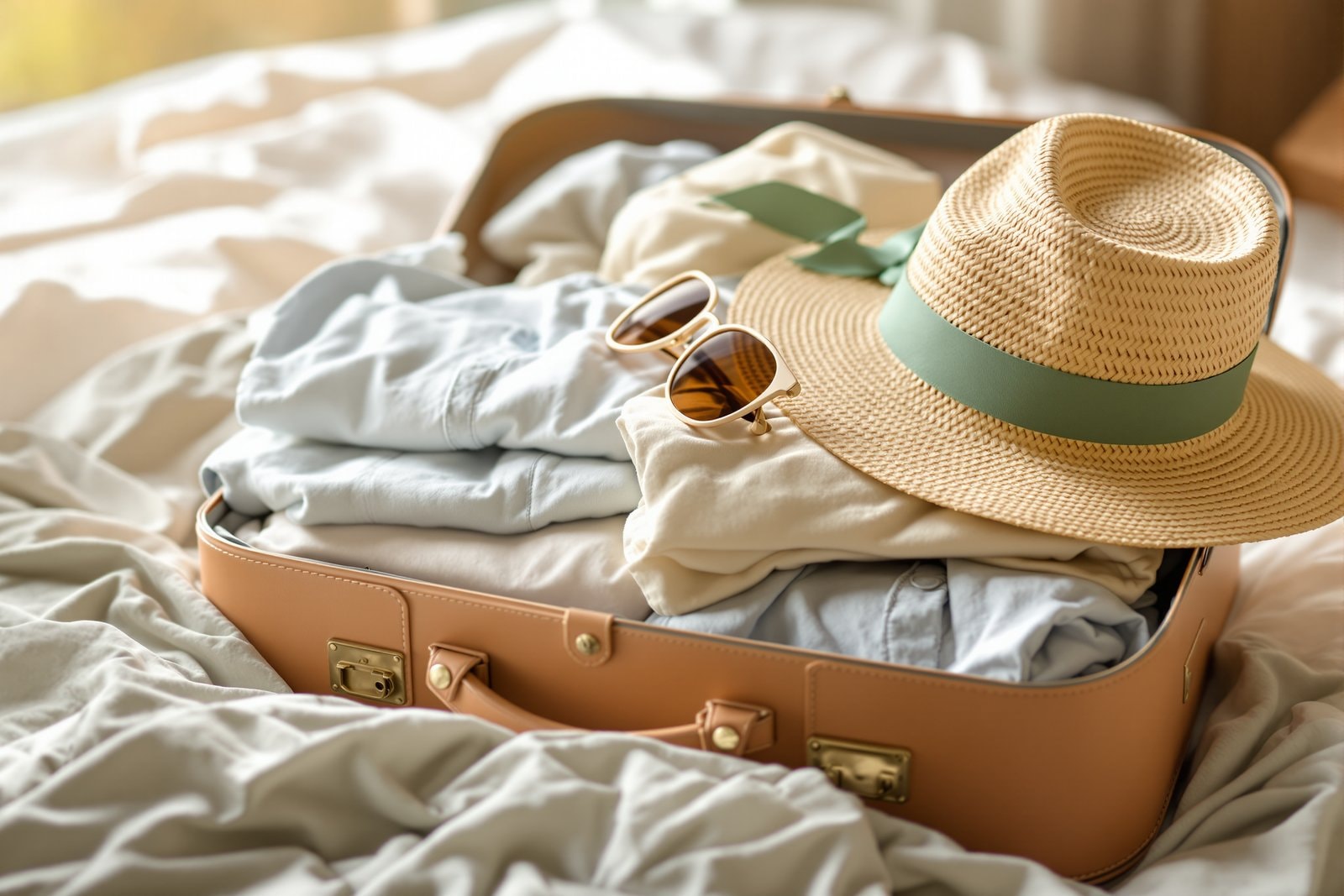
Packing light is one of the best gifts you can give yourselves. Fewer bags mean easier transfers, less waiting at baggage belts and more freedom to move around. Choose clothes that mix and match, and plan to wash a few things along the way.
What you can take in your carry-on bag differs from what can go in checked luggage. The Transportation Security Administration's list of what travellers can bring lets you check individual items and states that devices containing lithium metal or lithium-ion batteries should be carried in carry-on baggage. It also notes that the final decision on whether an item is allowed through the checkpoint rests with the officer. Check the rules for every country you will pass through, as they are not the same everywhere.
Always keep valuables, documents, a change of clothes and anything you cannot do without in your hand luggage. If you are carrying a ring for a proposal, keep it with you; see proposing.
Travel insurance
A romantic trip is often a significant investment, and plans can change. Wikipedia's article on travel insurance explains that basic policies generally cover only emergency medical expenses while overseas, while comprehensive policies typically include cover for trip cancellation, lost luggage, flight delays and other expenses. Read the policy terms carefully, check the exclusions, and make sure the cover suits the kind of trip you are taking, particularly for adventurous activities or remote destinations.
Sun
A painful sunburn can ruin several days of a trip. MedlinePlus's page on sun exposure explains that ultraviolet rays can damage skin cells, that sunburns are a sign of skin damage, and that suntans are not healthy either. It suggests staying out of the sun when it is strongest, using sunscreen, wearing protective clothing and wearing sunglasses that block ultraviolet light. Pack a wide-brimmed hat, and plan the middle of the day for a long lunch in the shade.
Staying well
MedlinePlus's traveler's health page notes that travelling can increase your chances of getting sick, that a long flight can increase your risk of deep vein thrombosis, and that it takes time to adjust to the water, food and air in another place. It also explains that trips abroad may call for vaccinations, depending on where you are going. If you have a health condition, are pregnant, or are unsure whether a long trip or a particular destination is right for you, talk to a health care provider before you go, and use the MedlinePlus guidance to prepare your questions.
On long flights, many travellers get up and move around, drink water and keep an eye on their sleep. The guide to jet lag and sleep explains more about why arriving rested matters.
Small romantic touches
- Pack a small surprise: a note, a treat or a gift to give on the trip.
- Leave one evening entirely unplanned.
- Take one photograph each day of each other, not only of the scenery.
- Learn a few words of the local language together.
- Agree on a rule about phones and work before you leave.
For planning a honeymoon specifically, see honeymoons: everything you need to know. Good preparation is the quiet foundation of every great romantic trip.