Weddings
Castle and Renaissance-faire weddings
Stone towers, banners, candlelit halls and a feast worthy of a king. For couples who dream of a storybook wedding, a castle or a Renaissance-style celebration brings the fairy tale to life.
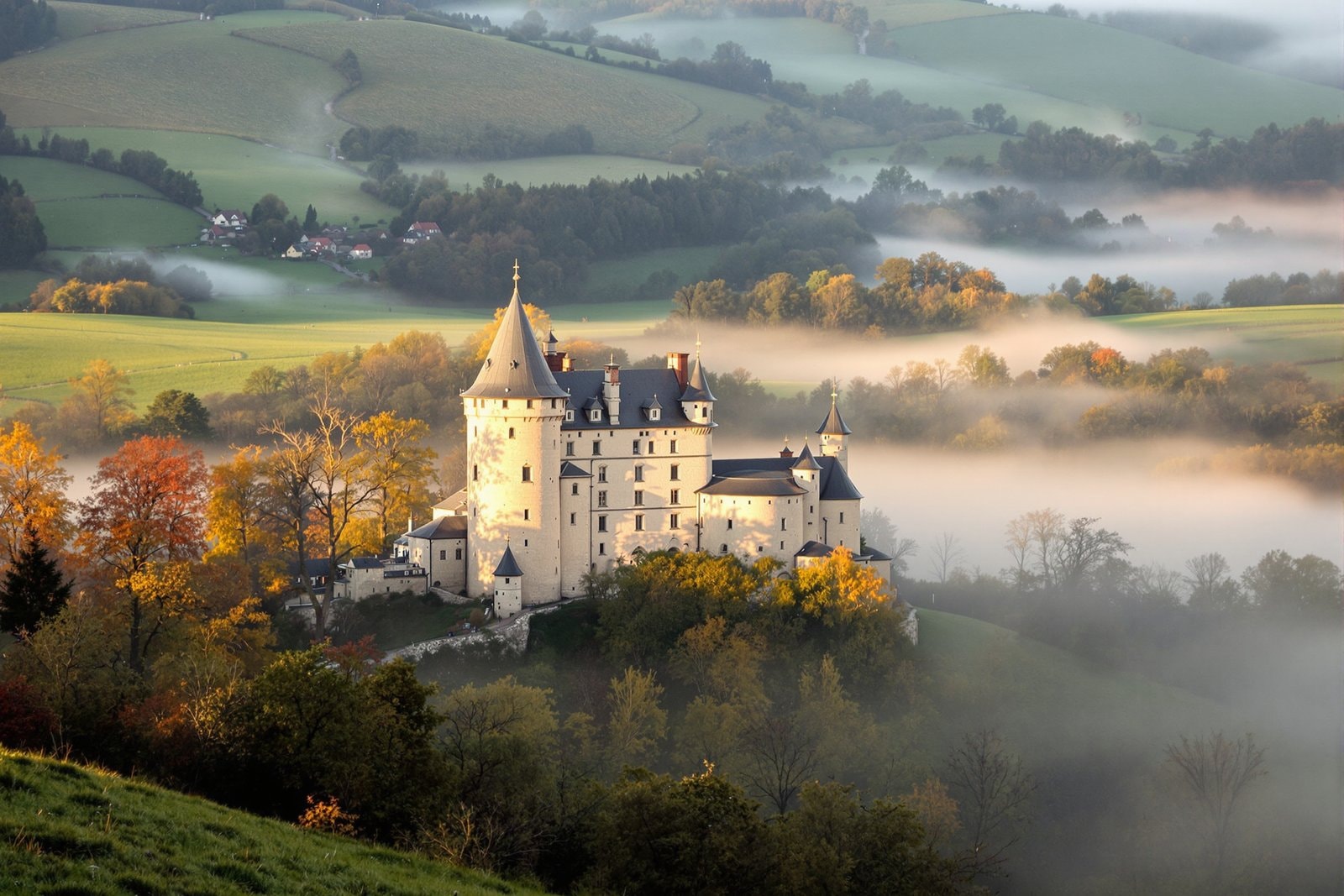
Few settings feel as romantic as a castle. Towers against the sky, thick stone walls, great halls lit by candles and firelight: it is easy to see why so many couples dream of marrying in one. Others are drawn to the playful theatre of a Renaissance-style celebration, with costumes, music and feasting. Both let a wedding step outside ordinary time.
What a castle really was
Castles look like fairy tales today, but they were built for very practical reasons. Wikipedia's article on the castle describes it as a type of fortified structure built during the Middle Ages, predominantly by the nobility or royalty and by military orders, and notes that scholars usually consider a castle to be the private fortified residence of a lord or noble. Common features included curtain walls, arrowslits and portcullises, and many had a keep, a great tower that served as the main living quarters and usually the most strongly defended point.
The same article notes that the word has also been applied to nineteenth- and twentieth-century homes built to resemble castles. Many of the most romantic-looking castles belong to that later tradition, built for beauty and grandeur rather than defence.
The fairy-tale castle
Perhaps the most famous romantic castle of all is in the south of Germany. Wikipedia describes Neuschwanstein Castle as a nineteenth-century historicist palace on a rugged hill in the foothills of the Alps. It was built as a private retreat and later opened to paying visitors, and its towers above the forest have become an image of the storybook castle around the world. It is a sight to visit together rather than a place to marry, but it sums up the dream perfectly.
Marrying in a castle
In many countries, castles, fortified manor houses and grand historic homes host weddings. Some have been carefully renovated with modern comforts; others remain beautifully rustic. When considering one, think about:
- Legal ceremonies. Not every historic building is licensed for legal weddings. Check whether you can marry legally there or will need a civil ceremony elsewhere; see where to marry.
- Accommodation. Some castles have rooms for the couple and guests; others host only the event.
- Weather and warmth. Stone halls can be cold, even in summer. Ask about heating.
- Access. Steep stairs and cobbled courtyards can be difficult for older guests.
- Rules. Historic buildings may restrict candles, confetti, music volume and decorations.
Renaissance-faire style
For couples who love history with a sense of fun, a Renaissance-inspired wedding offers costumes, music and feasting. Wikipedia's article on the Renaissance fair describes these events as outdoor gatherings that entertain guests by recreating a historical setting, most often the English Renaissance, a form of living history in which participants simulate life in a past era through costumes, performances and historically inspired activities. They typically include costumed entertainers, musical and theatrical acts, crafts and festival food.
A wedding in this spirit might include:
- Guests invited to come in period dress, or given simple cloaks and flower crowns on arrival.
- A procession led by musicians playing early instruments.
- A long banquet table with platters, bread and candles instead of a formal plated dinner.
- Toasts, dancing and games in the style of a village fair.
The trick is to keep the costumes and the fun while making sure the vows remain the heart of the day.
Handfasting as a ceremony element
Many couples drawn to historical weddings include a handfasting. Wikipedia's article on handfasting describes it as a traditional marriage or betrothal practice in which a couple make a pledge by joining, clasping or symbolically binding their hands, associated with medieval and early modern contexts in Ireland, Scotland, England and Germanic-speaking regions. It notes that modern usage in Ireland and Scotland often connects handfasting with Gaelic and Celtic-inspired marriage customs.
In a modern ceremony, a handfasting usually involves wrapping a cord or ribbon around the couple's joined hands while vows or blessings are spoken. It can be woven into a religious or civil ceremony, or form part of a symbolic celebration. Choose ribbons in colours that mean something to you, and ask a close friend or family member to tie them.
Dress and feast
Historical weddings invite creative dress. Flowing gowns, cloaks, velvet, embroidered bodices, circlets of flowers and tunics for the groom and groomsmen all suit a castle setting. The feast can echo the past too, with roasted dishes, breads, cheeses, fruits and a grand cake. For more ideas, see theme weddings and the wedding cake.
A castle honeymoon
Even if you do not marry in a castle, you can honeymoon in one. Many historic castles and manor houses across Europe welcome overnight guests. Combine a night or two in a castle with visits to villages and countryside, and the fairy tale can continue long after the wedding. The romantic Europe guide offers more ideas.